Density and Part Weight
Density influences comfort, weight, material consumption, strength and final part feel; it must match the automotive application.
In automotive components, polyurethane is not only a material choice. It affects passenger comfort, part weight, surface quality, acoustic behavior, cycle time, waste rate and long-term product credibility. This page helps technical buyers and production leaders connect each automotive part to the right PU system logic.
In the automotive supply chain, a material is valuable only when it performs beyond the first sample. It must stay consistent in real molds, across production shifts, under temperature variation and under strict quality-control expectations.
Automotive polyurethane systems can be designed for comfort, safety, appearance, weight reduction, acoustic performance, sealing, electrical protection and mechanical resistance. The selection logic changes because every part has its own process window, acceptance criteria and service-life requirements.
From seating and headrests to steering wheels, dashboards, roof liners, filters, wire harness protection and energy-absorbing parts, the right PU system is defined by part function and production constraints.
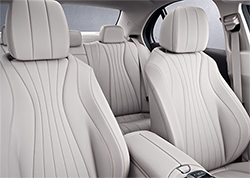 Seats, Headrests and Passenger Comfort
HR / Flexible / Memory
Seats, Headrests and Passenger Comfort
HR / Flexible / Memory
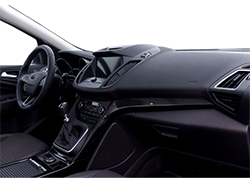 Steering Wheel, Dashboard and Soft-Touch Surface
Integral Skin PU
Steering Wheel, Dashboard and Soft-Touch Surface
Integral Skin PU
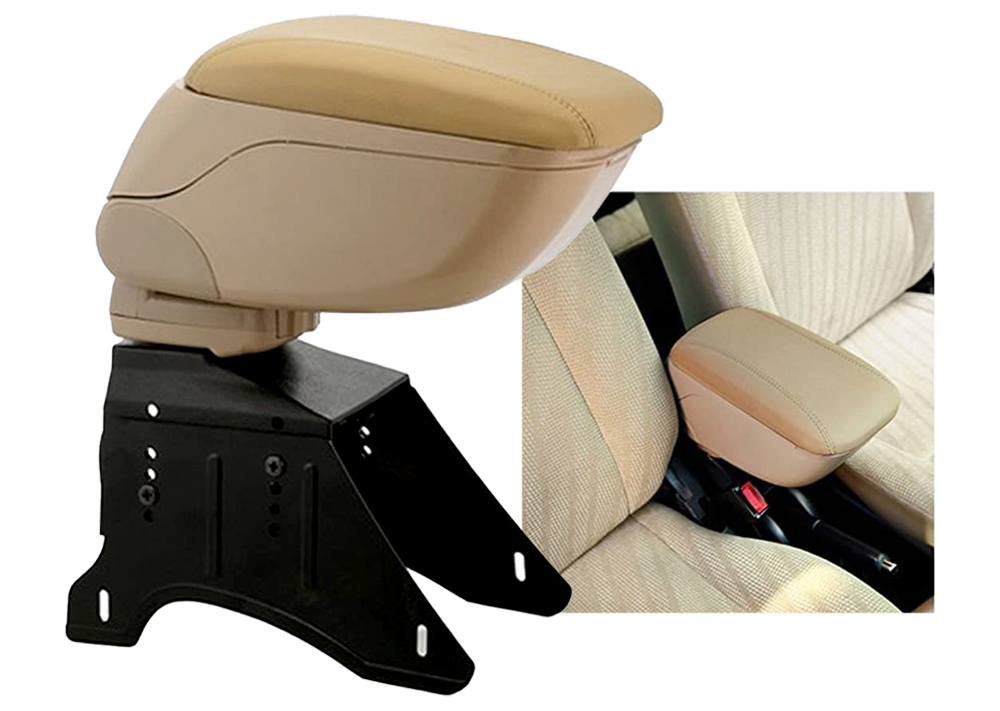 Console, Armrest, Handles and Touch Parts
Semi-Rigid / Integral
Console, Armrest, Handles and Touch Parts
Semi-Rigid / Integral
 Roof Liners, Acoustic Parts and NVH Control
 Filters, Gaskets and Sealing Systems
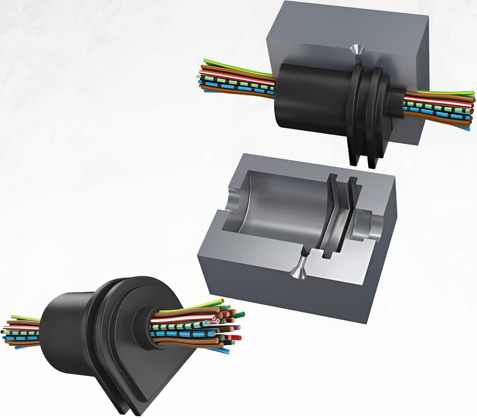 Wire Harness, Connectors and Protection
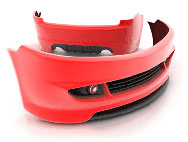 Bumper, Semi-Rigid and Energy-Absorbing Parts
Automotive polymeric parts are not simple fillers. A suitable polyurethane system can support weight reduction, cabin noise control, improved tactile quality, vibration management, protection of sensitive components and longer part life.
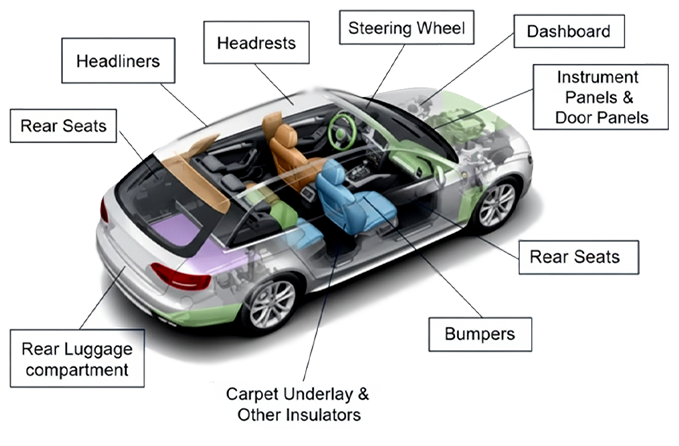
A reliable decision connects part performance with production limits. Density, reaction profile, surface quality and durability must be reviewed together before a system is selected for scale-up.
Density influences comfort, weight, material consumption, strength and final part feel; it must match the automotive application.
Cream time, gel time, tack-free behavior and demolding must fit the mold, machine, temperature and production capacity.
In steering wheels, dashboards, consoles and interior parts, surface appearance, texture, softness and abrasion resistance define perceived value.
Automotive parts must resist repeated compression, temperature, humidity, vibration, light exposure and long-term use.
A part may need comfort, energy absorption, a premium surface, sealing or electrical protection. Each objective creates a different formulation window and process requirement.
A prototype may look acceptable, but real production exposes the system. Density fluctuation, delayed demolding, unstable surface quality or weak durability can change the true cost of the part.
This matrix helps production, purchasing and R&D teams begin technical discussion with a clearer definition of the part, the risk and the production target.
| Application | Main Performance Priority | Common Technical Risk | Review Path |
|---|---|---|---|
| Seats and Headrests | Comfort, resilience, compression durability, controlled weight and consistent seating feel. | Comfort loss, density drift, IFD variation, cell collapse or shift-to-shift quality variation. | Evaluate flexible, HR or memory foam based on mold design, part standard and production conditions. |
| Steering Wheel, Dashboard and Console | Surface appearance, tactile feel, abrasion resistance, color durability and molded skin quality. | Orange peel surface, surface bubbles, poor adhesion, brittleness or demolding-related defects. | Select an Integral Skin PU system with controlled reaction, mold surface and curing conditions. |
| Roof Liners and Acoustic Parts | Noise reduction, low weight, dimensional stability, installation behavior and controlled stiffness. | Warping, brittleness, poor sound absorption, excessive weight or weak layer adhesion. | Dedicated acoustic automotive page is coming soon; submit production data for technical review for now. |
| Filters, Gaskets and Sealing | Sealing, adhesion, flexibility, environmental resistance and dimensional consistency. | Leakage, substrate separation, wrong hardness, shrinkage or reduced filter performance. | Define gasketing system based on substrate, part geometry and operating conditions. |
| Wire Harness and Connectors | Protection against moisture, vibration, heat, corrosion and mechanical shock. | Moisture ingress, cracking, wrong hardness, incomplete filling or insufficient adhesion. | Review potting or encapsulation system with part data and service conditions. |
| Semi-Rigid and Energy-Absorbing Parts | Impact absorption, durability, weight reduction, recovery behavior and service resistance. | Brittleness, excessive hardness, reduced impact performance or post-production dimensional change. | Analyze formulation, density and molding cycle before moving into mass production. |
Some automotive part problems are not solved by choosing a product name. Density, adhesion, shrinkage, moisture sensitivity, isocyanate type and process conditions may need a deeper technical review.
Until each dedicated page is published, send part data through the technical brief form so the review can be based on real production conditions, part geometry and target performance.
Polyurethane may be used in seating, headrests, steering wheels, dashboards, consoles, roof liners, acoustic parts, filters, gaskets, sealing systems, wire harness protection and selected semi-rigid or energy-absorbing components.
A sample can hide production risk. The real approval should consider cycle time, density repeatability, surface stability, demolding behavior, part aging and quality variation across production shifts.
Part geometry, substrate, target density, hardness, reaction profile, equipment, mold temperature, current defect, production volume and performance requirements should be defined before selecting a system.
If your part faces density fluctuation, unstable surface, delayed demolding, poor adhesion, shrinkage, weak durability or costly trial-and-error, start with production data. A clear technical brief helps move the discussion from general supply to a more accurate system recommendation.