Adhesion to substrate
System compatibility with concrete, metal, sheet surfaces, roofs, or aged surfaces to reduce delamination and blistering.
If your project involves a roof, wall, tank, oil and gas pipeline, or complex surface geometry, spray polyurethane system selection should be based on moisture, substrate temperature, applied thickness, adhesion, and real project conditions—not just the product name.
The website homepage can act as the polyurethane hub, but this page should guide the user from an application issue toward precise selection of a spray polyurethane foam insulation system guide them.
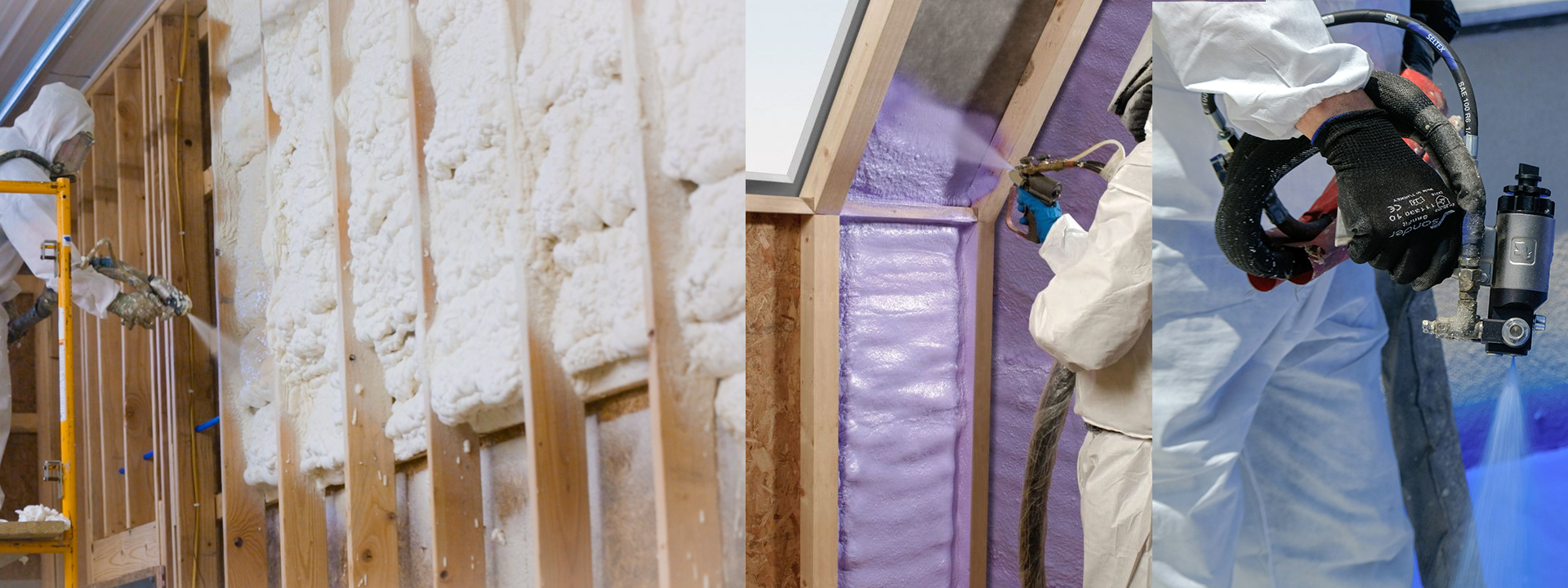
This landing page focuses on spray-applied applications: moisture insulation, thermal insulation, acoustic reduction, oil and gas pipeline insulation, reservoirs, tanks, roofs, and irregular surfaces.
The right system must perform in real application conditions: adhere to the substrate, build uniform thickness, control shrinkage, and remain stable against moisture and temperature changes.
System compatibility with concrete, metal, sheet surfaces, roofs, or aged surfaces to reduce delamination and blistering.
Control moisture, dust, oil, and substrate temperature before application to achieve a stable coating.
Control each pass thickness to prevent excess heat, shrinkage, or weak cell structure.
Select foam structure based on thermal, moisture, mechanical, and environmental project requirements.
This path helps prevent insulation selection from being based only on being spray-applied; substrate type, moisture, service temperature, and application risk should be assessed together.
This section is ready to become a landing pathway, and each card can later link to a dedicated page for that application.
For roofs, walls, industrial sheds, attics, and surfaces that require a continuous, seamless coating.
For projects where temperature control, metal adhesion, and stability in environmental conditions matter.
For areas where installing panels or sheet insulation is difficult and spray application provides an execution advantage.
Foam, equipment, material temperature, pressure, substrate, moisture, and each pass thickness must be reviewed together to achieve a stable result.
The goal is not just to introduce a material. The right path is to review project type, surface, moisture, ambient temperature, target thickness, and application risks so system selection is closer to practical results.
These links are designed for quick user scanning and internal linking.