In Energy Projects, the Real Cost of Insulation Appears After Start-Up
For pipelines, tanks and process equipment, insulation selection is not only about thickness or material price. Cell structure, moisture absorption, mechanical behavior and application quality determine how low-risk and reliable the project remains over the long term.
The Issue Is Not Only Thermal Conductivity; Operational Risk Must Also Be Controlled
In oil, gas and petrochemical projects, an unsuitable insulation system can appear during operation as energy loss, moisture ingress, corrosion under insulation or increased maintenance.
Real Insulation Performance Becomes Clear After Several Thermal Cycles
For tanks, pipelines and process equipment, insulation decisions must be matched with operating conditions, corrosion risk, thermal stability and service life.
Insulation System Performance Indicators
This table summarizes which performance indicators should be reviewed alongside real project conditions when evaluating an RFQ or selecting an insulation system.
| Performance Indicator | Design Target | Operational Importance |
|---|---|---|
| Thermal Conductivity | λ ≈ 0.022 W/m.K | Control of energy loss and process temperature stability |
| Closed-Cell Structure | Low water absorption | Reduced moisture ingress and CUI risk |
| Density and Compressive Strength | Designable according to project requirements | Mechanical stability in pipelines, tanks or buried environments |
| Temperature Range | -20°C to +150°C | Compatibility with operating conditions and thermal cycles |
Application Pathways in Energy Projects
Review the relevant route based on project type, or submit pipeline and tank specifications for initial technical assessment.
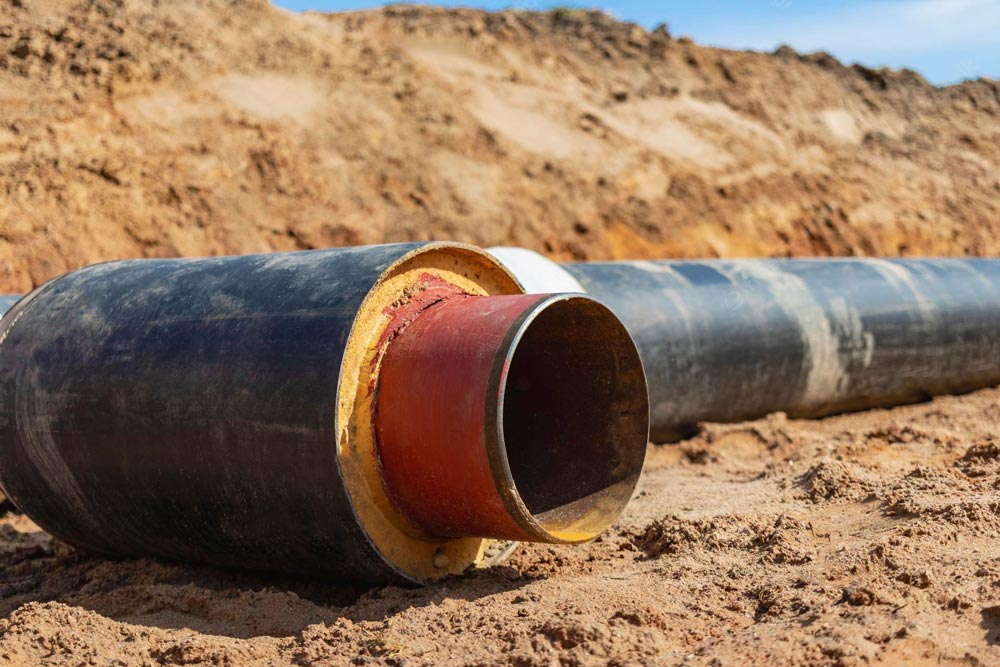

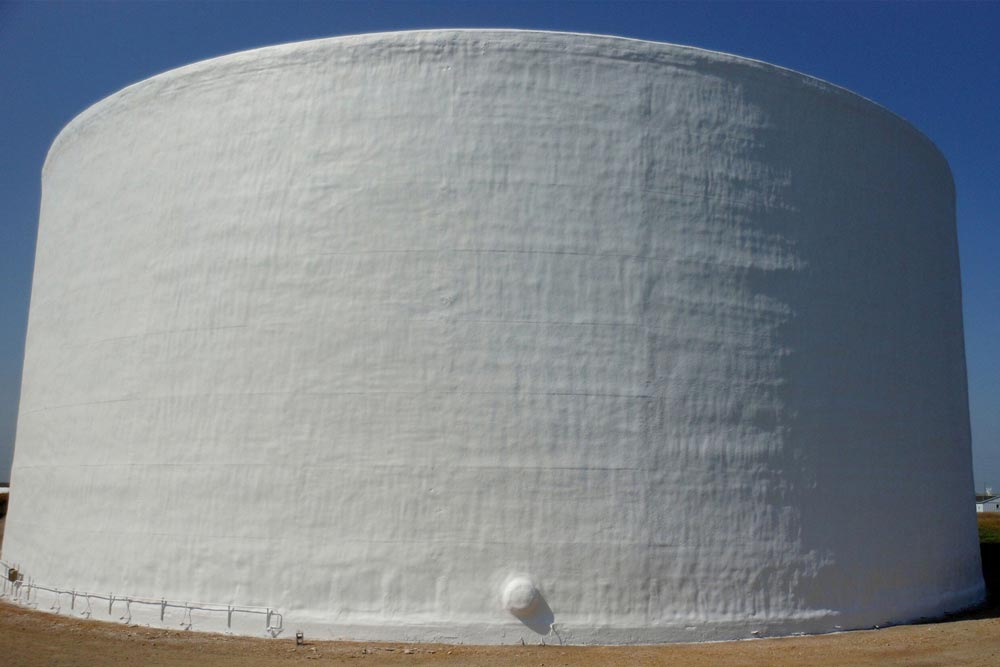
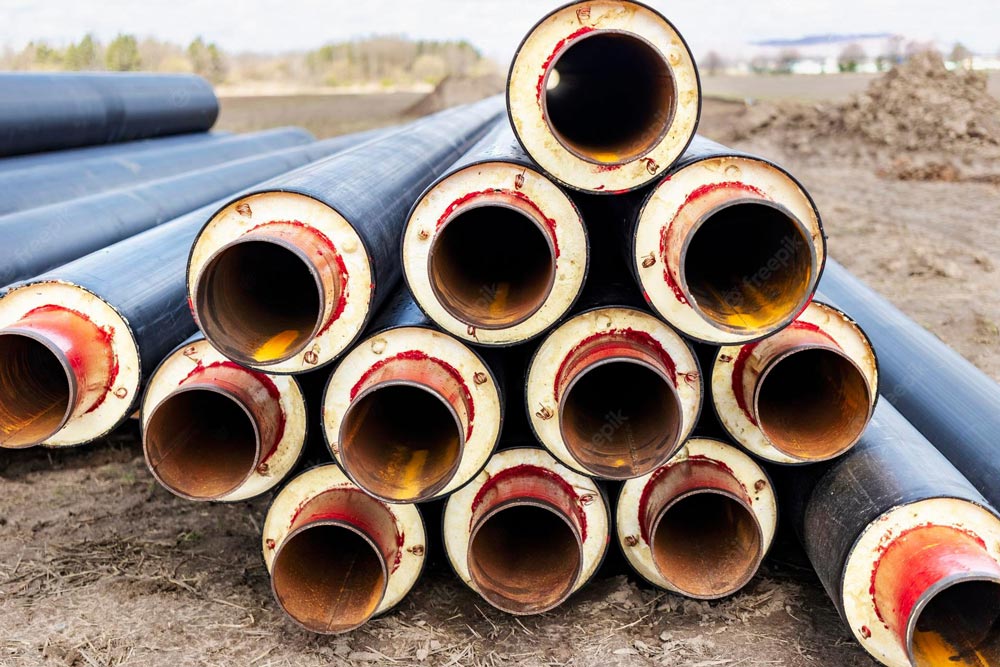
Review Project Technical Conditions Before Selecting the Insulation System
For pipelines, tanks and process equipment, submit temperature data, fluid type, installation environment, target thickness and execution limitations so the right insulation system can be reviewed before the main purchase.